
The Truth About Plateaus: Why Weight Loss Slows
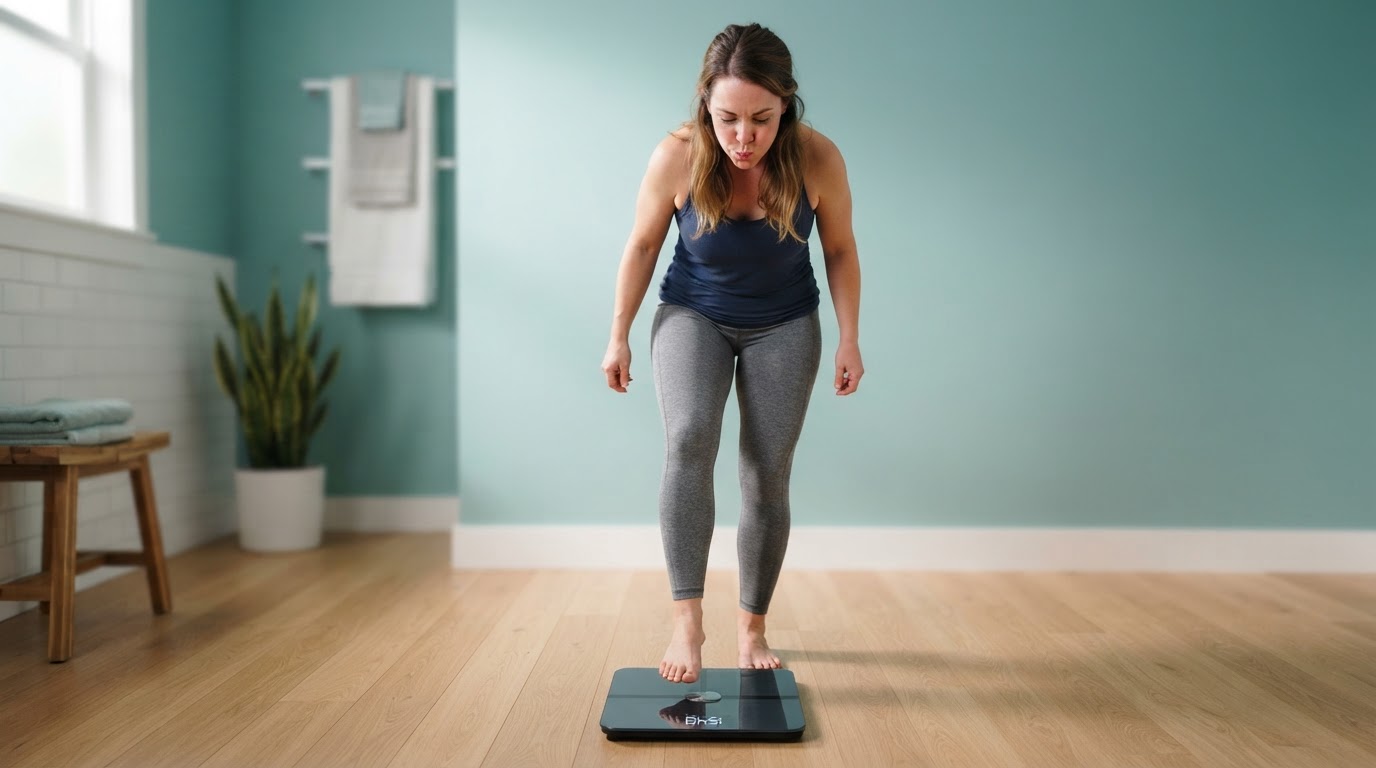
Understanding Why Your Progress Stops
You follow your plan. You track your meals. You stay consistent with exercise. And then the scale stops moving.
This is a weight loss plateau. It is a normal part of the process. Plateaus happen because your body is designed to adapt and protect its energy stores during weight loss.
The Science of Metabolic Adaptation
When you lose weight, your body interprets it as a potential threat to survival. In response, it works to conserve energy by slowing your metabolism. This is often called metabolic adaptation.
As your body becomes smaller, it naturally requires fewer calories to function. Your metabolism adjusts downward to match this new energy demand.
Muscle and Hormones Matter
Weight loss often includes some loss of muscle along with fat. Muscle is metabolically active tissue, so losing it can further reduce your calorie burn.
At the same time, hormonal shifts occur:
- Ghrelin increases, which drives hunger.
- Leptin decreases, which makes it harder to feel full.
These changes make plateaus feel frustrating. However, they are not a sign that you have failed.
Hidden Factors That Can Slow Progress
Other factors can pause your progress even if your habits stay the same:
- NEAT: You may unknowingly move less throughout the day, lowering total calorie burn. Think of fewer walks during the cold months.
- Calorie Creep: Unnoticed increases in portion sizes or snacking can erase your deficit.
- Water Retention: Sodium intake, stress, or hormonal changes can temporarily affect the scale.
How to Break Through a Plateau
There are ways to move forward:
- Revisit the basics: Small habits can loosen over time. Briefly tracking again can help confirm you are still in a deficit.
- Adjust activity: Increasing workout intensity, duration, or daily movement can restart progress.
Protect muscle: Adequate protein and strength training help support metabolism.
Your Next Step
If you have reached a plateau, it is often because what you are doing is working. Your body has simply adapted.
At this stage, continuing to do the same things usually will not restart progress. Something needs to change, but that does not mean you need to start over. This is where meeting with a Registered Dietitian can make the biggest difference.
As a dietitian, I am trained to look beyond calories and macros. During a visit, we take a close look at your daily routines, food choices, movement patterns, protein intake, and lifestyle factors. We identify small, strategic adjustments that help move the scale again without extreme changes or added stress.
If you feel stuck, scheduling a nutrition visit can help you identify what to change next so your progress can continue.
Read more about our Dietitian at the link below or text us at 704-702-6555 to get your nutrition consultation scheduled today!
Have questions about your hormones or weight loss journey?
Our Charlotte medical team is here to help you get answers. Schedule a free discovery consultation to discuss your personalized health plan.